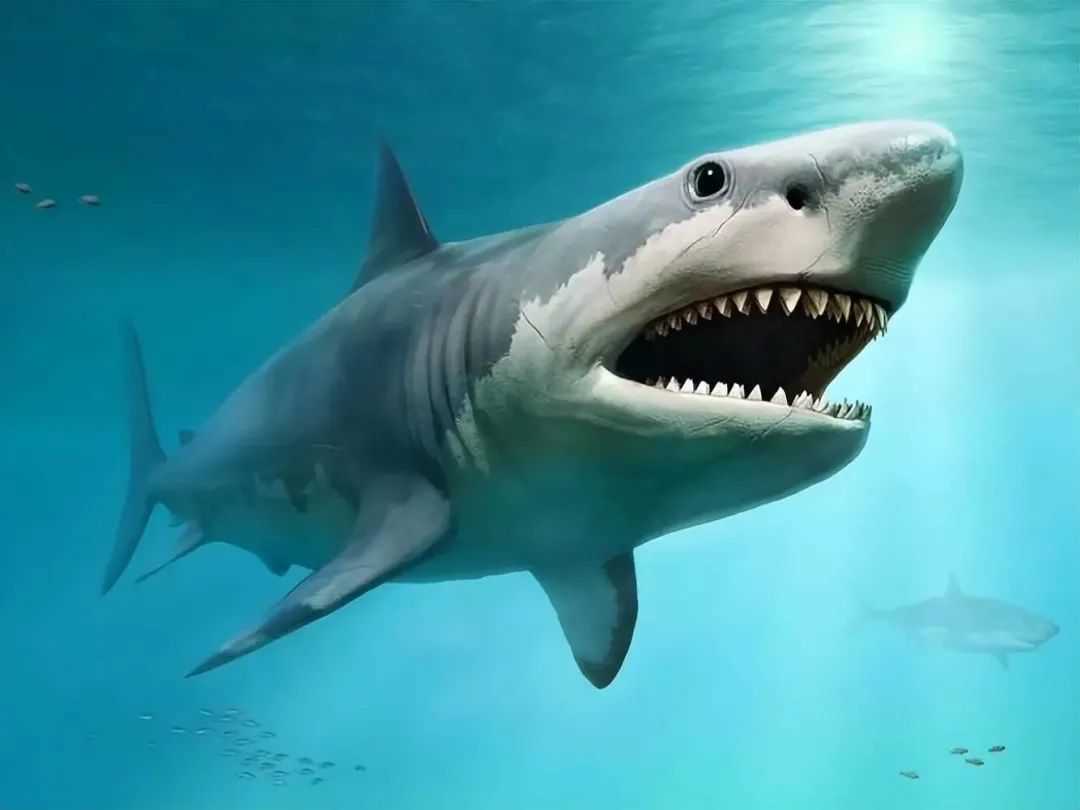
Megalodon: The Unmatched Apex Predator of Prehistoric Seas
Stretching over 18 meters in length, Megalodon (Carcharocles megalodon) ruled the oceans alongside Livyatan melvillei approximately 23 to 3.6 million years ago. Renowned as the creature with the most powerful bite force ever recorded—exceeding 30 tons—this colossal shark dwarfed even its massive whale counterpart in size and weight, solidifying its status as the ultimate marine predator of its era.





Latest
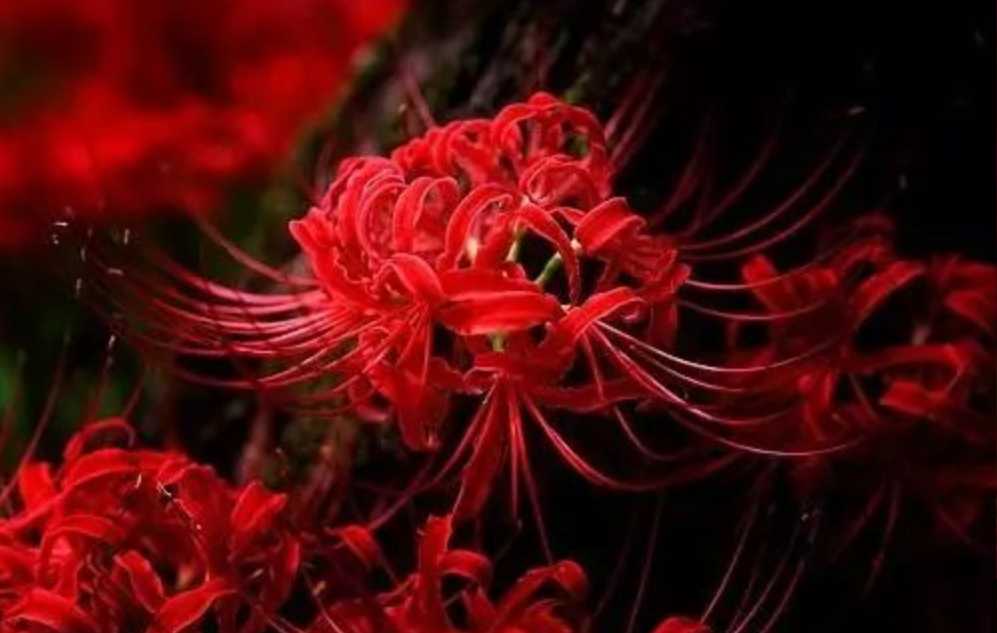
The Enigmatic Red Spider Lily: A Floral Emblem of Transience
The Red Spider Lily (Lycoris radiata), the most iconic variety of the (Equinox Flower), has long fascinated cultures across East Asia with its striking appearance and symbolic weight. Native to China, Japan, and Korea, this bulbous perennial emerges in late summer, captivating observers with its dramatic blooms that seem to materialize from barren earth.
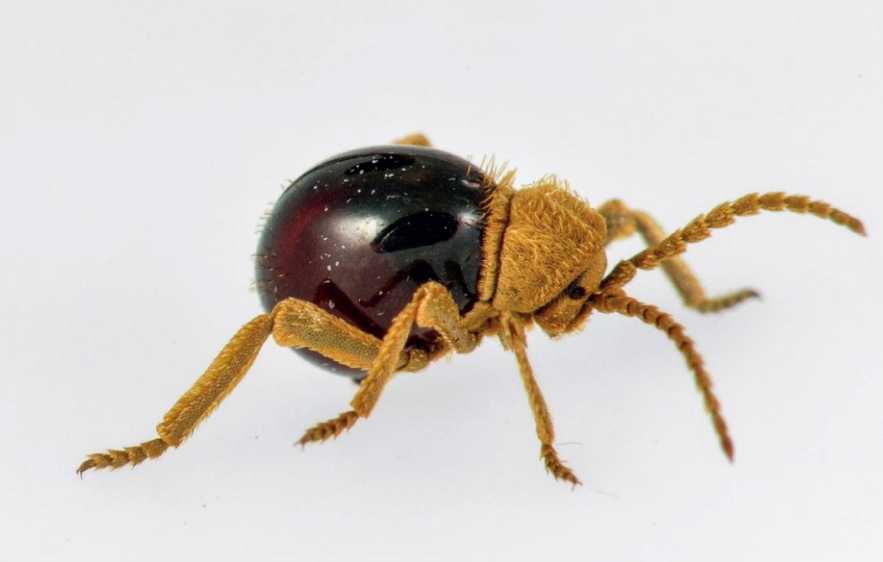
Mezium affine: America's Tiny Spider-Mimicking Beetle
Measuring just 3 mm in length, Mezium affine is a curious beetle from the Americas that lives up to its name through remarkable arachnid mimicry. This minuscule insect has evolved physical traits that closely resemble a spider, blurring the line between beetle and arachnid at first glance. Its body shape, leg structure, and even behavioral cues work in tandem to create a convincing illusion.
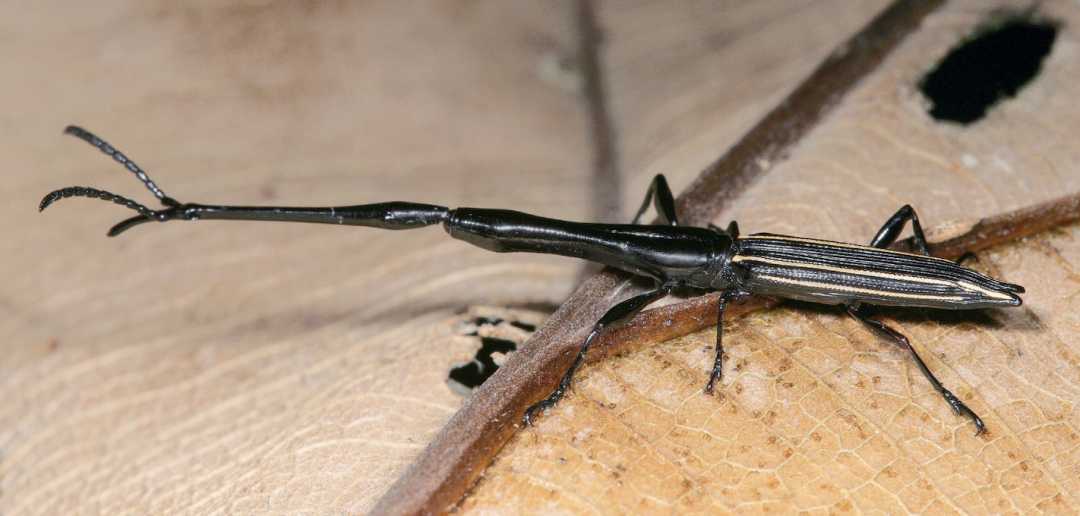
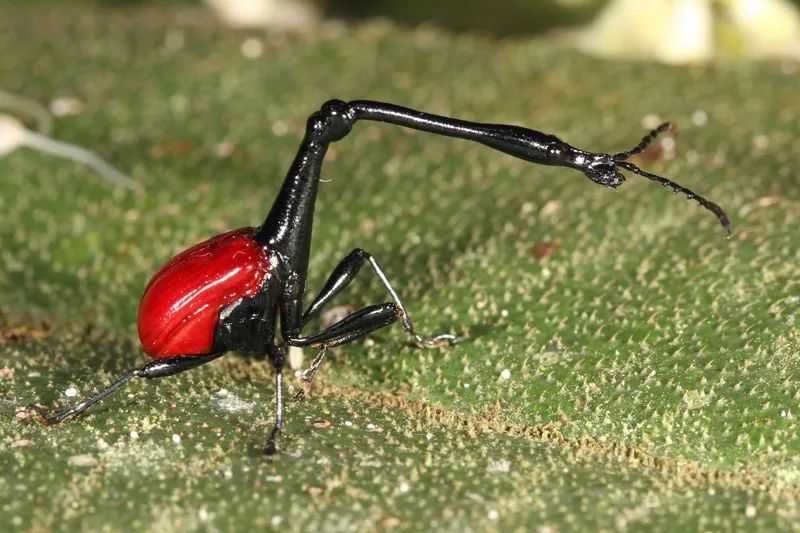
Costa Rica's Slender Weevil: The Three-Cone Beetle with a Remarkable Elongated Snout
In the lush rainforests of Costa Rica, the three-cone weevil (a member of the Brentidae family) stands out with its strikingly slender form, measuring 25 mm in length. Yet its most defining feature is an elongated rostrum— or "snout"—that can grow as long as its body, giving the insect a unique, almost surreal appearance. This remarkable appendage, thin and tapered, sets it apart in the diverse world of beetles.
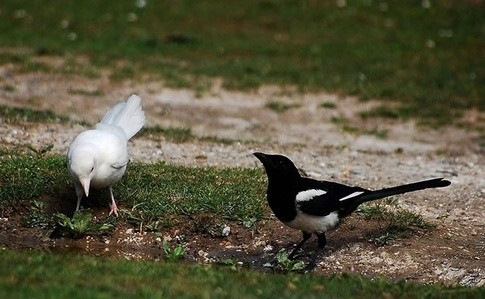
The Albino Magpie: A Rare Feathered Anomaly in the Avian World
Albino magpies, though occasionally spotted in urban and rural areas worldwide, are genetic oddities that stand out starkly from their black-and-white counterparts. Caused by a recessive gene mutation that inhibits melanin production, these birds exhibit pure white plumage, pinkish legs, and striking red or pale blue eyes—a result of blood vessels reflecting through unpigmented tissues. Unlike leucistic magpies (which have partial color loss), albinos lack all pigmentation, making them a rare sight in the wild.

Majestic Highlanders: The Enigmatic Highlander Cat Breed
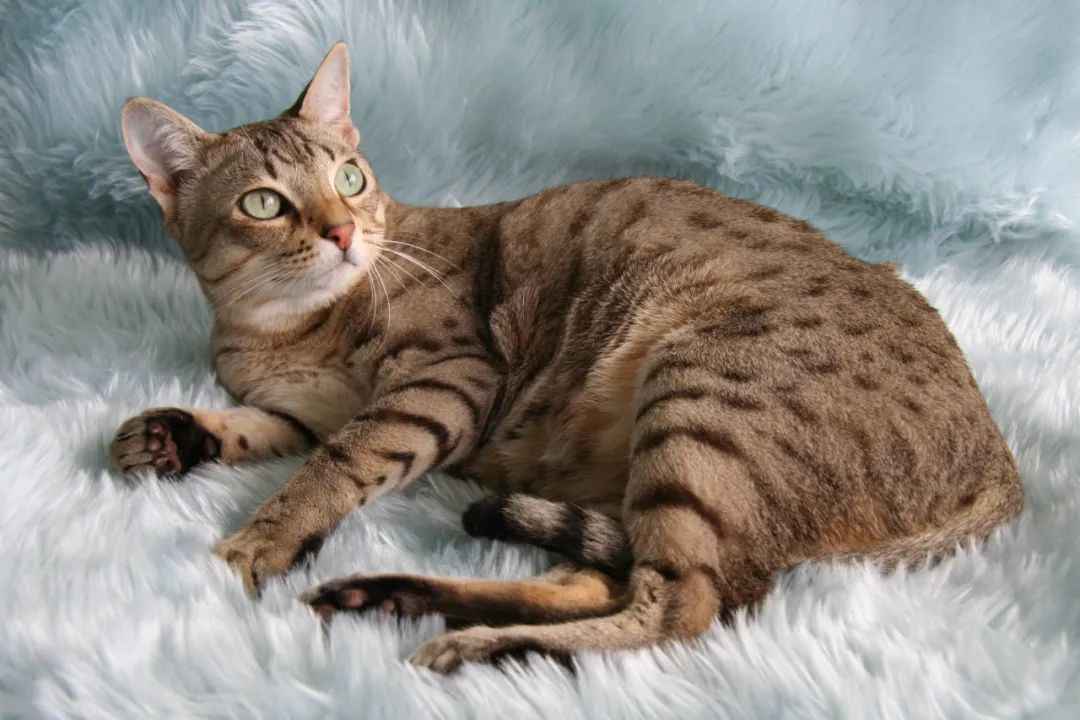
The Highlander cat, also known as the Highland Lynx, is a captivating feline breed celebrated for its wild appearance and affectionate demeanor. Developed in the early 2000s through careful crossbreeding of the Desert Lynx and Jungle Curl, this breed was intentionally crafted to mimic the robust build of wildcats while retaining a domesticated, sociable nature. Recognized by The International Cat Association (TICA) in 2008 as a Preliminary New Breed, it has since gained traction among cat enthusiasts globally.

The Mesmerizing Candy Cane Sorrel: A Botanical Delight with a Twist
The Candy Cane Sorrel, scientifically known as Oxalis versicolor, is a captivating member of the Oxalidaceae family that has won the hearts of plant enthusiasts worldwide. Native to the sunny landscapes of South Africa, this perennial bulbous plant has made its mark in gardens and indoor spaces alike, thanks to its unique and eye - catching blooms.

Asian Elephants vs. African Elephants: Key Differences, Hybridization Barriers, and Shared Endangerment
Asian elephants and African elephants, the two largest land mammals on Earth, exhibit numerous distinct differences and face significant genetic barriers to interbreeding.
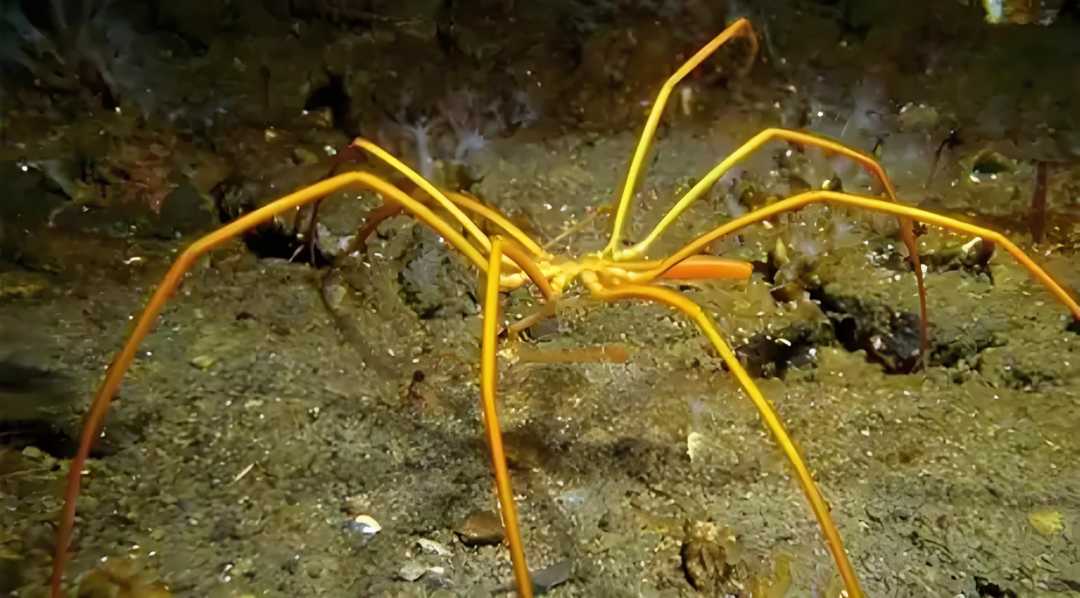
The Enigmatic Sea Spiders: Ancient Marine Wonders
When one thinks of spiders, the image of eight - legged arachnids scurrying on land usually comes to mind. However, there exists a fascinating group of creatures known as sea spiders. Also called pycnogonids, these marine animals have slender, elongated legs and a tiny torso, resembling terrestrial harvestmen, thus earning them their intriguing name.
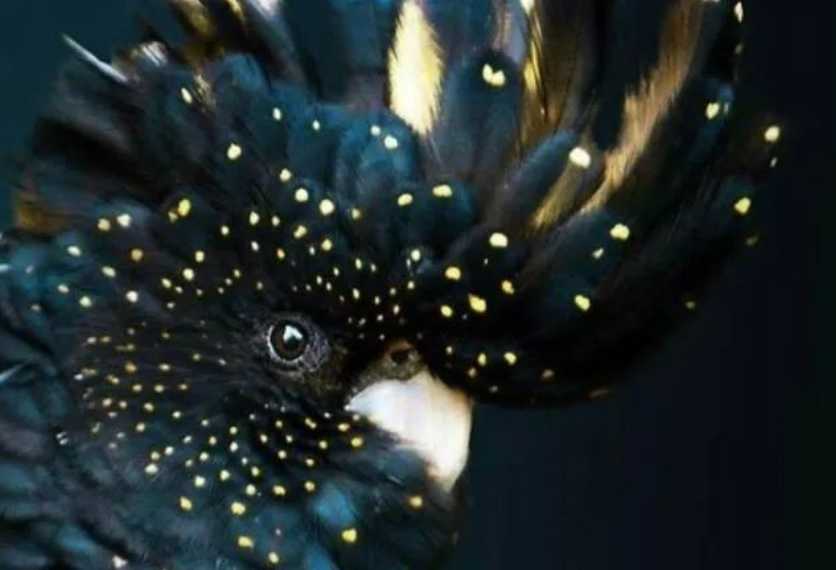
Masked Shining Parrot: A Radiant Avian Gem
The masked shining parrot, scientifically known as Prosopeia personata, is a remarkable bird found in the Fiji Islands, specifically on Viti Levu. It gets its name from the musky scent it emits, earning it the alternative name "musk parrot". With a length of about 47 cm and a weight of 322 g, it is a relatively large parrot. The adult bird features a black face, a yellow - orange streak on the center of its abdomen, purple - blue outer webs of primary feathers, and a green tail with a blue tinge. Its bill is grey - black, and its eyes are orange. Juveniles resemble adults but have less black o
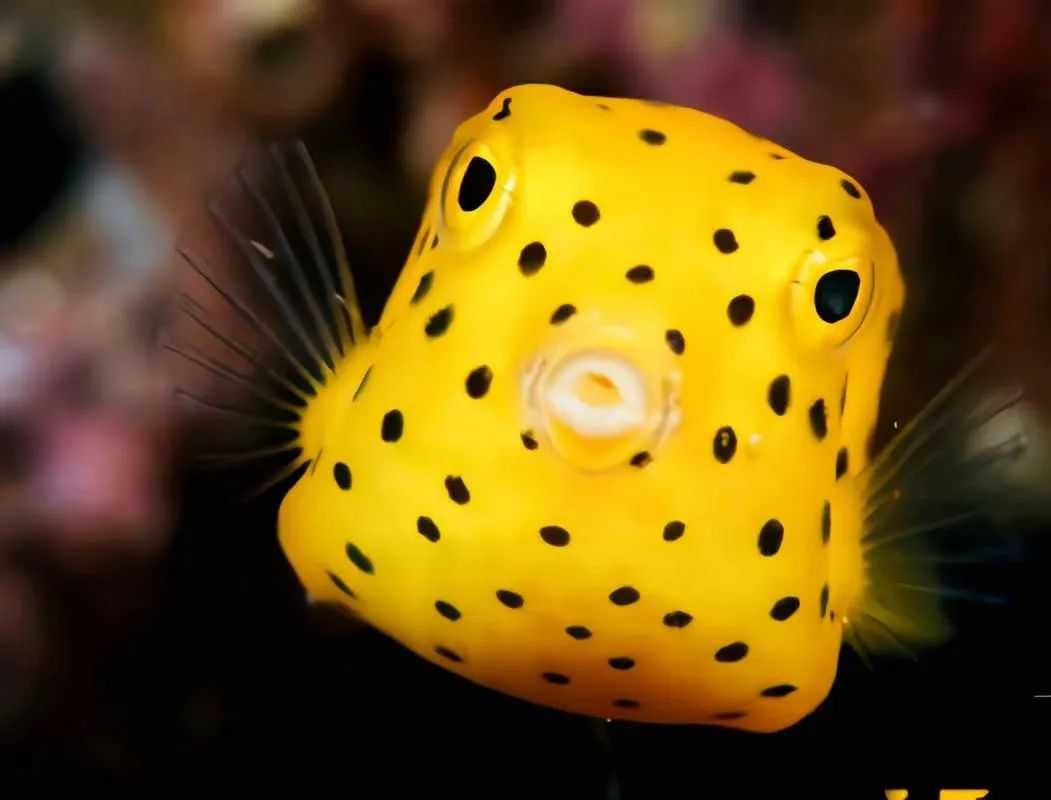
The Quirky Boxfish: A Living Underwater Cartoon in Tropical Reefs
In the vibrant coral reefs of the Indian and Pacific Oceans, the Ostracion cubicus, or "papaya fish," adds a splash of whimsy to the marine world. Growing between 10 to 25 centimeters in length, this tropical inhabitant dwells among coral formations, munching on algae and small invertebrates. Its unique appearance makes it stand out like a character from an animated film.
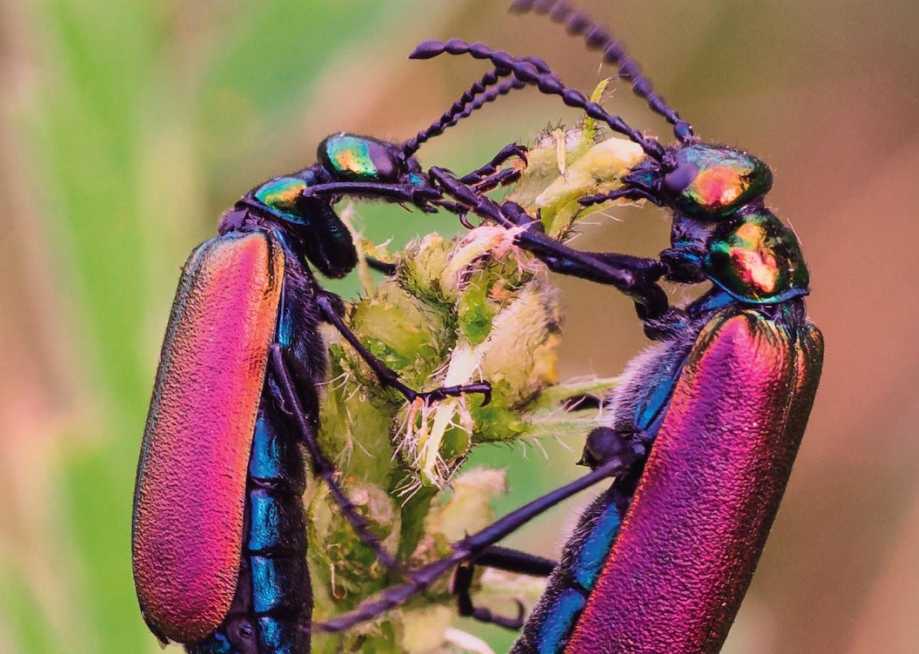
Lytta nuttalli: North America's Most Dazzling Beetle Harbors a Toxic Secret
The Lytta nuttalli, or Nuttall's blister beetle, stands as a living jewel among North American insects, its iridescent exoskeleton shimmering in hues of emerald, bronze, and gold. Sunlight reflects off its elytra in a kaleidoscope of colors, making it a standout in meadows and prairies. Yet beneath this dazzling exterior lies a warning: this beetle’s beauty is paired with a potent defense mechanism.
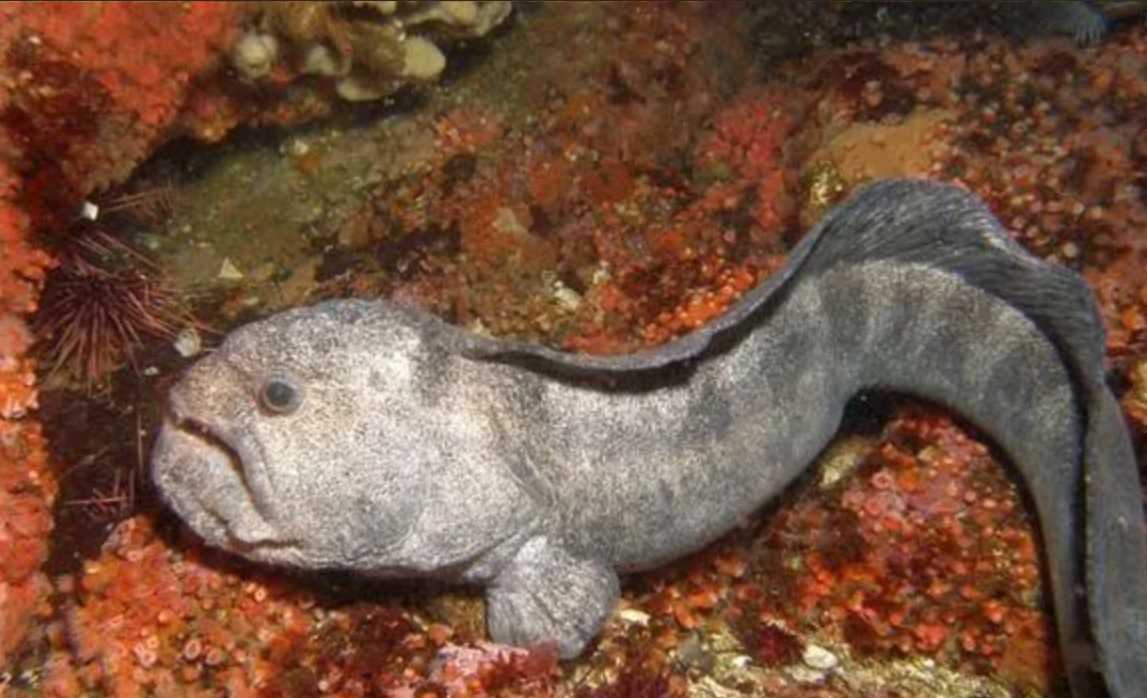
The Enigmatic Wolf Fish: Masters of the Cold - Water Depths
In the frigid waters of the Atlantic and North Pacific Oceans dwells the remarkable wolf fish, a species reaching up to 1.5 meters in length and belonging to the order Anarhichadiformes. The Atlantic wolffish, commonly known as the ocean catfish, and the Bering wolffish are its prominent representatives, each adapted to distinct underwater habitats.

The Versatile Companion with a Rich Heritage Subtitle: From Farm Pest Control to Beloved Family Pet
The Rat Terrier, a spirited and agile breed with roots deeply embedded in American history, has evolved from a farmstead workhorse to a cherished household companion. Originating in the 19th century, these dogs were meticulously developed by crossbreeding English Smooth Fox Terriers, Manchester Terriers, and Whippets to create a versatile hunting and vermin-control dog14. Their name reflects their primary purpose: eradicating rat infestations on farms, a role they excelled at due to their speed, tenacity, and sharp instincts. Notably, they were even favored by President Theodore Roosevelt, who

Adorable and Fluffy: The Angora Rabbit
The Angora rabbit is a well - known and beloved domestic rabbit variety. Originating from what is now Ankara, Turkey, it has a long history of being bred for its soft and luxurious wool. It became popular among French royalty in the 18th century and later spread across Europe and to the United States

Mars: The Mysterious Red Planet Beckons Exploration
Mars, the fourth planet from the Sun, has long fascinated humanity with its rust - colored allure. Nicknamed the "Red Planet," it stands out in the night sky as a distinct, reddish - orange dot, sparking curiosity about what lies on its surface and within its atmosphere. This celestial body, smaller than Earth but teeming with secrets, has become a focal point for space exploration.

HiRISE Reveals Mars' Acidalia Planitia: Where Sci-Fi Meets Scientific Reality
A close-up from NASA’s Mars Reconnaissance Orbiter (MRO) HiRISE camera unveils the weathered craters and aeolian features of southern Acidalia Planitia. While standard HiRISE imagery often appears in striking blue tones—a result of multispectral processing to enhance geological details—the region would likely appear gray or pale red to human eyes. Of course, no human has yet witnessed this Martian landscape firsthand—unless we count Andy Weir’s fictional NASA astronaut in The Martian.
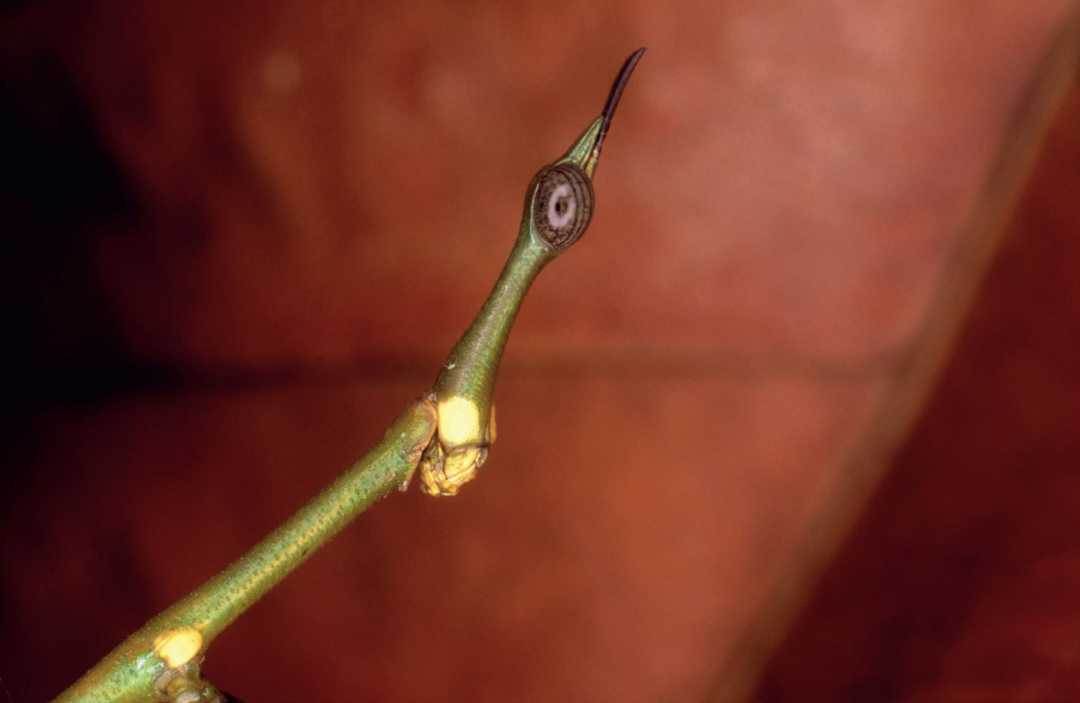
Amazon's Quirky Horsehead Grasshoppers: Proscopiidae Family Thrives in South American Rainforests
The Amazon region of South America serves as a haven for Proscopiidae, commonly known as horsehead grasshoppers. At first glance, these insects bear a striking resemblance to stick insects, with elongated bodies and spindly legs that help them blend into forest foliage. But their most distinctive feature is the bulbous, horse-like shape of their heads, giving them a comical appearance that evokes smiles—some even say their clear, beady eyes and awkward posture resemble beloved childhood classmates.
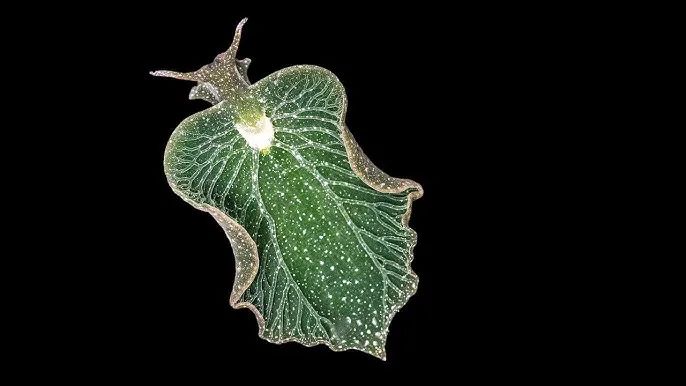
The Leaf Sheep Slug: Nature’s Photosynthetic Marvel That 'Steals' Chloroplasts to Survive
The leaf sheep slug (Elysia chlorotica), a marine gastropod, defies biological norms by hijacking chloroplasts from algae and using them for photosynthesis—allowing it to go 9 to 10 months without eating. This extraordinary ability, known as kleptoplasty, has made it a celebrity in the scientific world, blurring the line between animal and plant.

Ferrari 250 GT SWB: The Pinnacle of Elegance and Racing Prowess
The Ferrari 250 GT SWB (Short Wheelbase) embodies the quintessence of Ferrari's ethos, blending racing functionality with gentlemanly elegance in a way that defines automotive perfection. Unveiled in the late 1950s, this masterpiece remains a benchmark of design and engineering, where every curve and component serves both aesthetic and performance purposes.
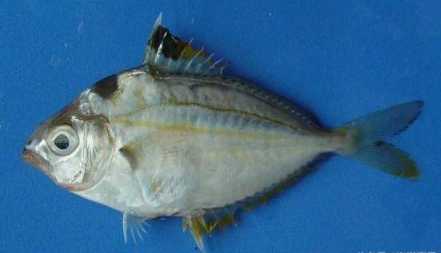
Equulites rivulatus: The Collared Ponyfish of Tropical Shores
Equulites rivulatus, commonly known as the collared ponyfish or neck-banded ponyfish, is a small, agile species within the Leiognathidae family, inhabiting the warm coastal waters of the Indo-Pacific region. Recognized by its distinctive neck band and streamlined form, this fish is a notable member of shallow marine and estuarine ecosystems, celebrated for its unique appearance and ecological role.